If you have trouble following the story of a movie, or don’t know why things are happening, read on. I’ll teach you to recognize techniques that movies use to explain their stories. This is a toolbox, not a checklist. Using or avoiding a particular technique doesn’t made a movie bad or good. Not every story needs every technique.
Levels of clarity
Different kinds of movies are more or less easy to follow. Practicing with the easy ones is good, but don’t stop there. Once you’re comfortable, move on to trickier movies. Just like with written language, the better you are at film language, the more interesting and varied stories you can experience.
Easy to follow
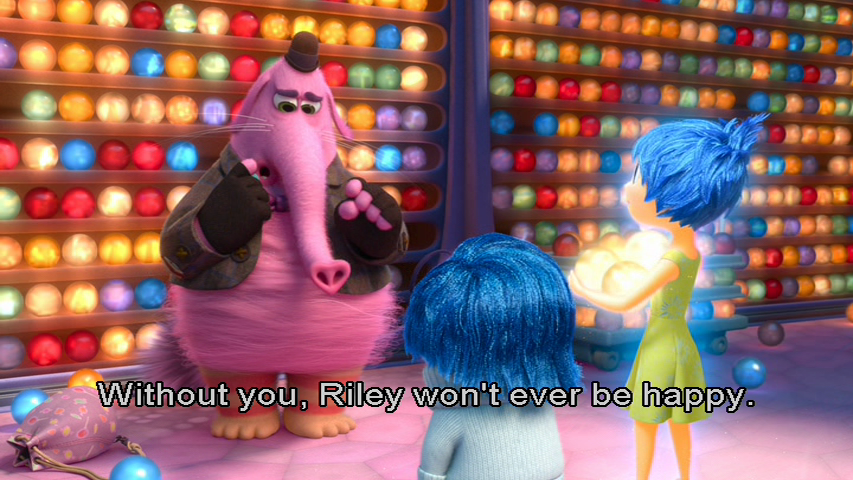
- Children’s movies. These movies explain everything clearly in dialog so children can follow along.
- Blockbuster movies. These movies want everyone to watch and enjoy them, so they want everyone to understand them
- Action movies. These have very clear stakes like “Board the rocket before it blasts off!” or “Don’t get assassinated!” Characters often explain their plans to each other before a mission.
- Comedies, rom-coms. These movies have no reason to be mysterious or unclear.
Tricky to follow
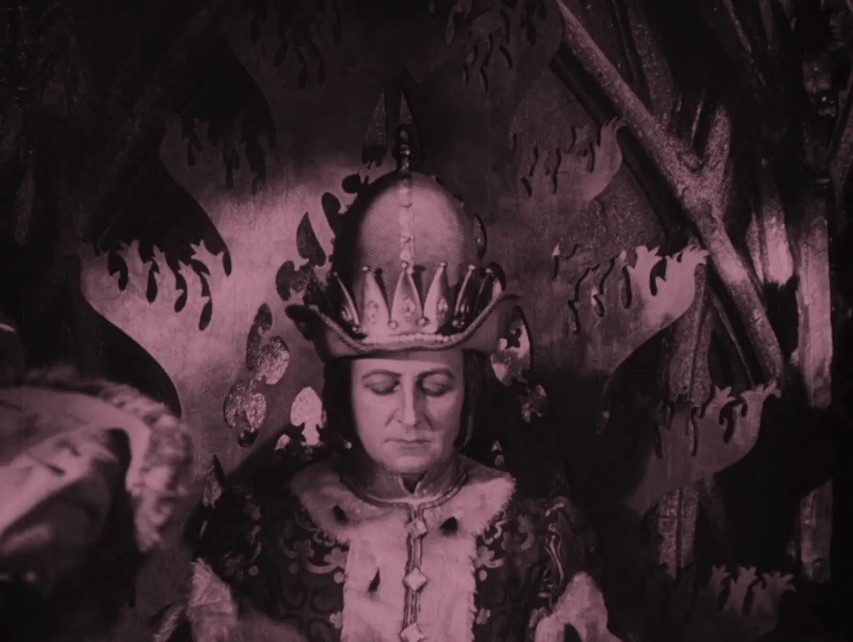
- Dramas. These are more likely to have ambiguous endings and no easy answers.
- Biographical movies a.k.a. biopics. Real life usually doesn’t have heroes and villains, beginnings and endings.
- Mysteries. If you understood it, it would no longer be a mystery. Mystery movies usually leave enough clues for an observant viewer to figure them out, but when you’re just starting, you don’t have the experience to notice those clues.
- Films from another culture. Movies take a lot of shortcuts by assuming the viewers know how the world works. If you don’t know the culture, all those implications fly right past you.
- Films in another language. Usually your ears take in dialog while your eyes take in images. If the film is in a language you don’t speak, your eyes pull double duty: reading subtitles and looking at the images.
- Experimental movies. Some movies intentionally avoid using the techniques I explain here. These are definitely not for everyone, and usually don’t get wide release.
Open questions:
To keep track of what’s going on in the movie, keep track of open questions: things that you want to know, or outcomes that are in doubt. Keep watching the movie and look for the answers. Each scene can answer questions, or raise new questions. Hopefully the movie ends when all of the questions are answered.
Some movies let more and more questions build up until everything falls into place at once near the end. Others are more episodic, asking a group of questions, then answering them and moving on. Some intentionally leave questions unanswered. There’s no one correct way to do it.
In The Matrix, the first big question is “What is the Matrix?” We get the answer halfway through the movie, but the movie’s not over!
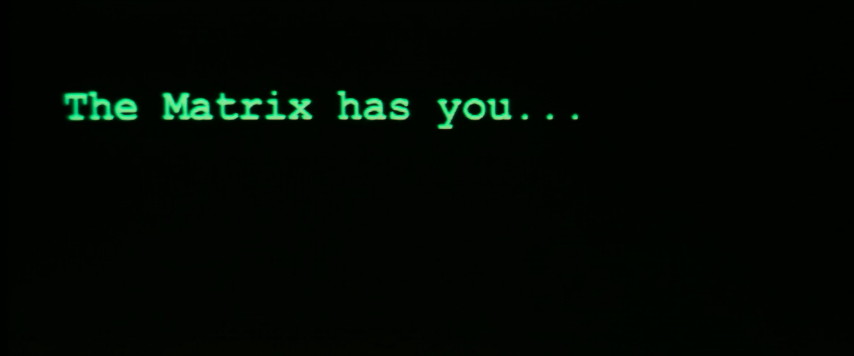
The answer to that question raises more questions, like: “Is Neo The One?” Neo’s adventures raise other questions: “Can Neo defeat an Agent?”, “Can Neo dodge bullets?”, and “Can the team rescue Morpheus from the military stronghold?” These are all things that The One should be able to do, so the answer to these questions point towards the answer to the big question.
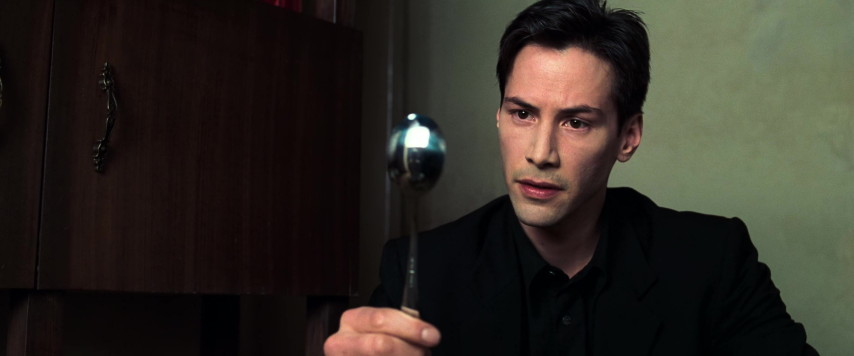
Often multiple-choice questions will stay open for most of the movie. I call this kind of question an conflict between the answers. This could be a state of war between two nations, a decision one person must make, or different philosophies that characters could choose. Conflicts tend to be important and stay unresolved for a long time, so it’s very satisfying to see one resolved.
In Enchanted, Robert wants to get rid of Giselle because she’s annoying, but she’s also very charming, so he might falli in love with her.
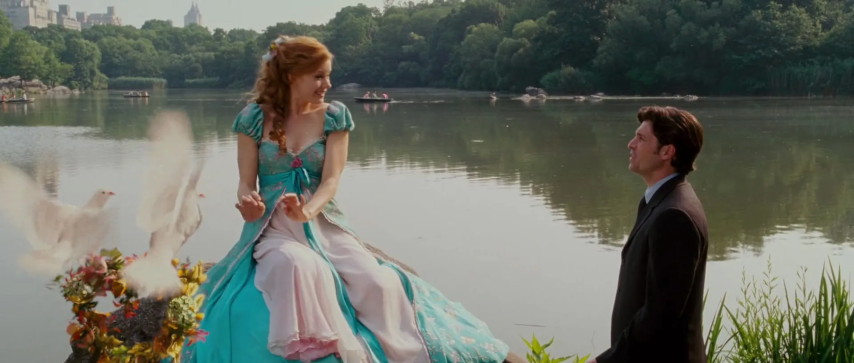
The conflict is: Love Giselle vs. Reject Giselle. So every time something happens to Robert, I think, “Does this push him closer to loving Giselle, or rejecting her?”
Your list of questions may differ from the questions the filmmakers set out to answer. That’s fine for two reasons.
- If you didn’t pick up on the filmmaker’s hints for what you should care about, that’s something you can learn with experience. When the movie ends and your questions aren’t answered, or the movie makes a big deal about something you don’t care about, think back and try to remember how the movie drew attention to one thing over another. As you watch more movies, you’ll get better at detecting the movie’s hints.
- If the filmmaker didn’t care about something you thought was important, that’s good! Now you know something about yourself (You think X is important and interesting) and something about the filmmakers (They don’t think X is as important as other things in the movie). Lots of people write fan-fiction to fill in the margins of a story they like, or take the characters and their relationships somewhere new. Knowing what you care about and what you don’t reveals your taste in movies. As you see which movies are satisfying and which leave you unhappy, you can more accurately pick new movies that you will enjoy.
Break it down
You don’t have to figure out the whole movie at once. Movies are made up of scenes, and if you understand each scene, you can put them together to understand the whole movie.
A scene is a chunk of a movie that all happens at the same time and place. Each scene accomplishes one or more of the following to contribute to the overall story of the movie:
- asking a question
- answering a question
- introducing a conflict
- resolving a conflict
- learning about the world
- learning about a character
Usually, the first few scenes introduce us to the world and the characters that will be important. Then someone sets a goal, or a problem arises, and their goal is to solve the problem. That’s called the inciting incident. It’s what pushes things forward, so they don’t stay the same as the introduction. As the characters pursue their goals, smaller goals or problems will arise, sometimes introducing new characters and locations. As those smaller tasks are resolved, the overall goal gets closer. The end of the movie is called the climax, a huge effort to reach that overall goal. Afterwards, there may be a scene showing what happens as the result of the climax. That’s the resolution, or denouement if you’re feeling fancy. The length and complexity of these parts can vary a lot between different movies.
The Beginning
You need to learn a lot when a movie starts. You haven’t met the characters (because they’re not real people), you might not recognize the location, and some rules of the world might be different. Sci-fi and fantasy movies often start by speaking directly to the viewer to explain all the things that are different in their world.
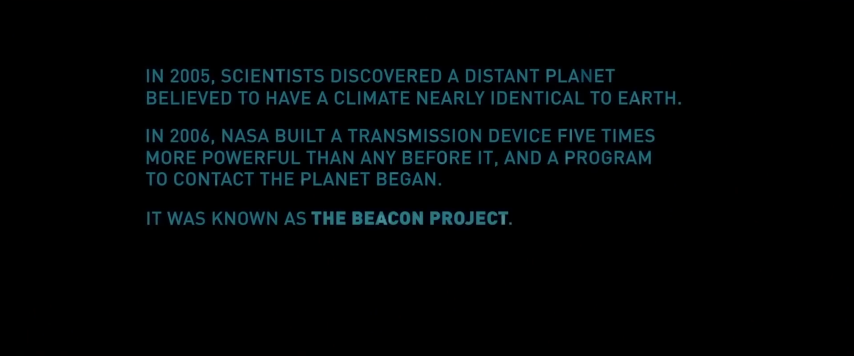
Battleship gives us text to read.
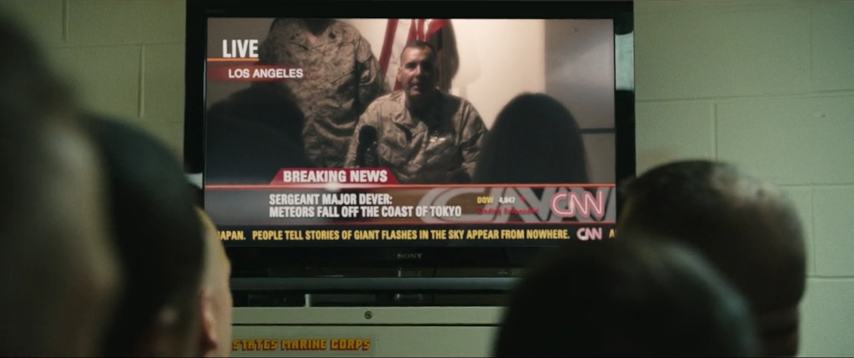
Battle: Los Angeles lets us watch and listen to fictional news reports of an alien invasion.
In The Lord Of The Rings: The Fellowship Of The Ring, Galadriel narrates while we see important scenes from history.
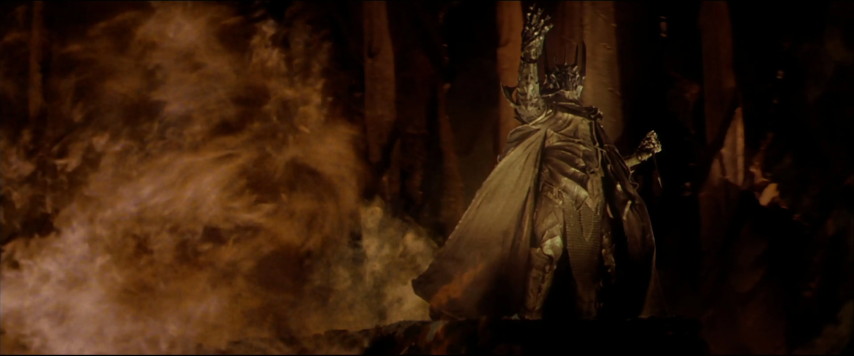
Each of these openings mention a goal or problem that can be stated as a question or conflict. In Battleship, will anyone answer the message sent to Planet G? In Battle: Los Angeles, it’s American soldiers vs. alien invaders. In The Lord Of The Rings: The Fellowship Of The Ring, what happened to Sauron and his ring?
Inciting Incident
This is what starts the story in motion! It sets up an conflict, or raises a question, that won’t be resolved until the end. Most of the other questions in the movie contribute to the answer of this big question. The incident itself may be subtle or shocking. Movies can start with an inciting incident, or take their time setting up the situation that the inciting incident will disrupt.
Important Characters
Usually the first characters we meet are the most important. The more time the movie spends with a character, the more important they are. The important questions of the movie will involve these characters. Will this character survive? Will this villain get away with their crime? Will this character learn something and overcome their flaws?
If a character arrives and you can’t see their face immediately, they are probably important. The movie raises a question: “Who is that person?” that it answers almost immediately.
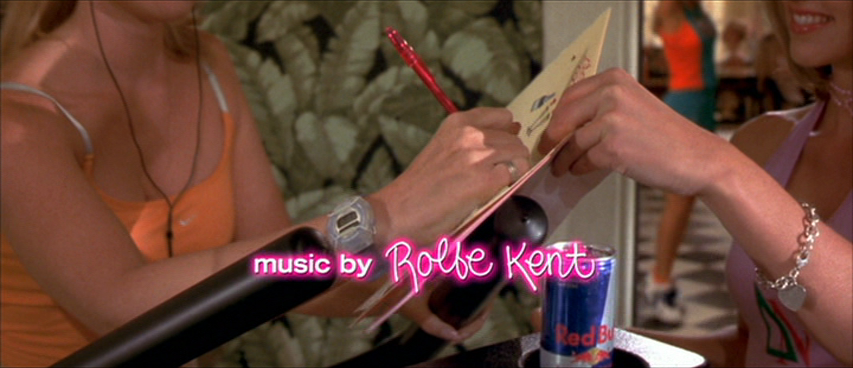
In Legally Blonde, all four minutes of the opening credits follow a greeting card through an entire sorority house before we see who the card is for. She’s the main character.
When a character is introduced, they often have a flaw, or something they want. Those convert directly into questions: “Can this character overcome their flaw?” and “Will this character reach their goal?” You could even add a conflict: their flaw vs. their goal.
Important Objects
Objects can act as symbols for capabilities or relationships. If there’s a close-up of an object, pay attention!
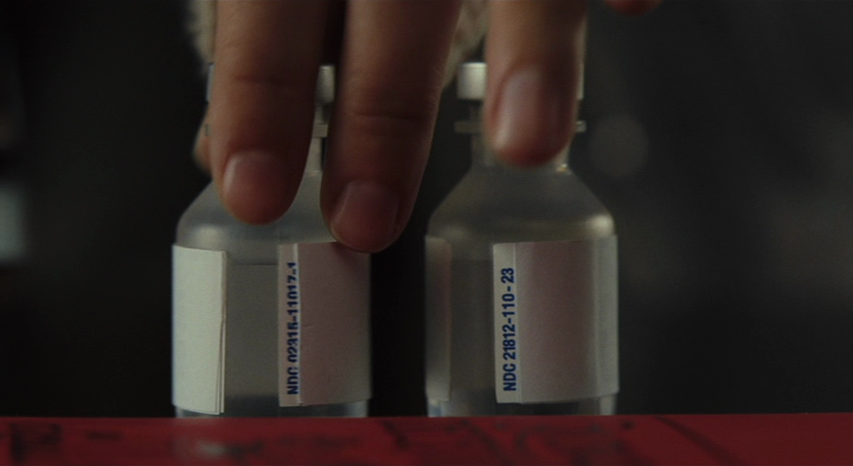
In Knives Out, the whole mystery depends on these two vials of medication.
If one character gives an object to someone else, pay attention!
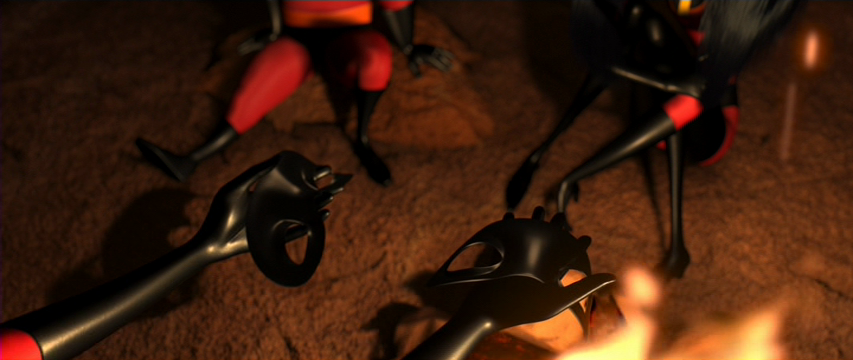
In The Incredibles, Dash and Violet receive costumes and masks, which make them superheroes, like their parents. Seems cool, until mom explains that villains try to kill superheroes.
In Aliens, a tracking bracelet changes hands several times, affecting the fortunes of different characters. Hicks shows that he has taken a special interest in keeping Ripley safe by giving her a tracking bracelet.
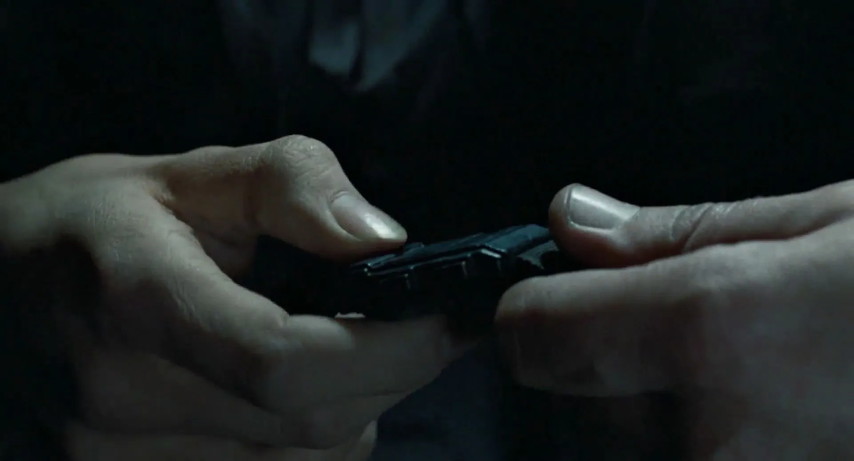
RIpley gives the bracelet to Newt, showing that she values Newt’s safety above her own. If Newt has the bracelet, Ripley doesn’t have it.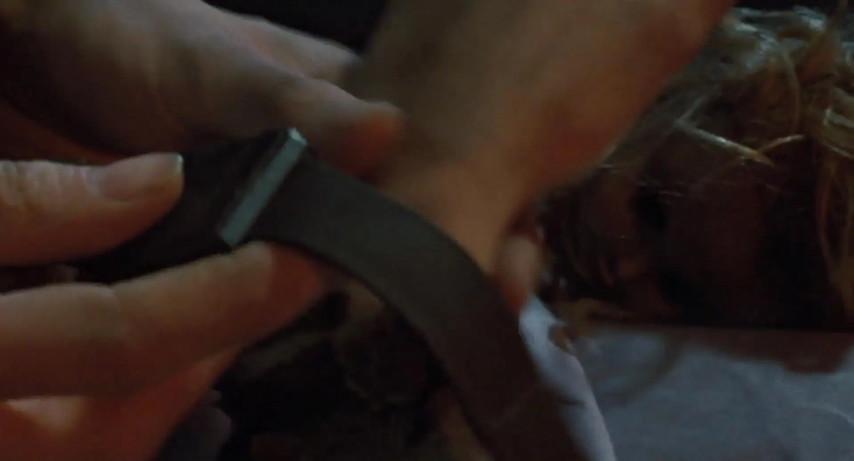
When Newt falls and is separated from Ripley, we see she’s still wearing the bracelet. Ripley can still find her!
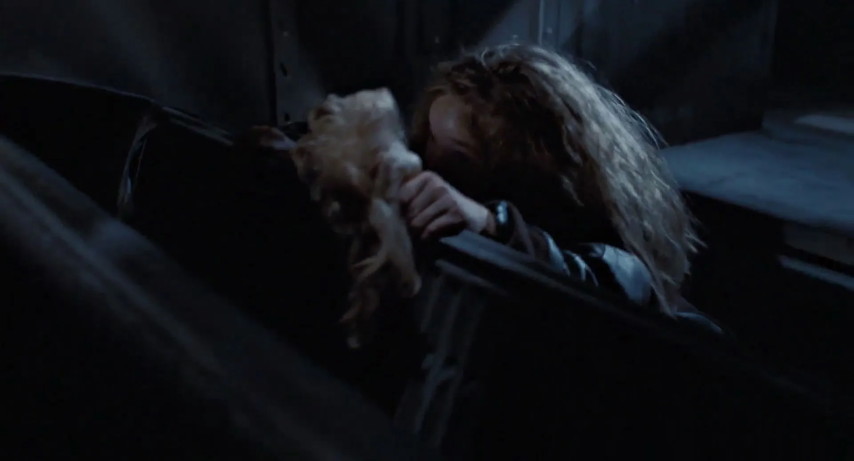
When Ripley tracks down the bracelet, she finds it on the floor, covered in Alien goo. Disaster! First, the bracelet and Newt aren’t together, so Ripley can’t find Newt. Second, Newt wouldn’t take off the bracelet voluntarily, so the Aliens must have gotten her.
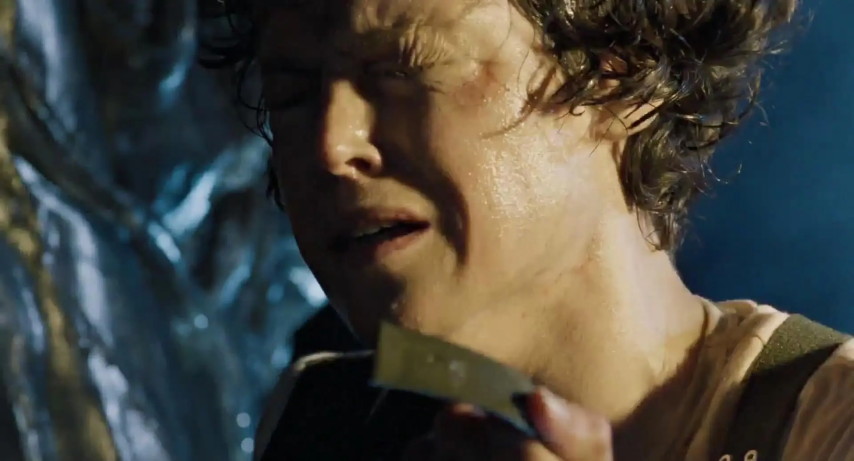
Plot Coupons and MacGuffins are two special kinds of objects that characters often fight over. They’re so common that they deserve their own section. People often use both terms interchangeably to mean “The things the characters want”.
Plot Coupons
A plot coupon is an item that lets the characters move forward. Metaphorically, the characters exchange the coupon for access to the next part of the plot. Characters try to take it, or keep it, or stop other characters from taking it. Adventure films often follow characters seeking one plot coupon after another until they can reach their final goal. When a plot coupon is introduced, you know that this part of the movie is “getting the plot coupon” and the next part will be “what the plot coupon unlocks”.
Plot Coupon examples
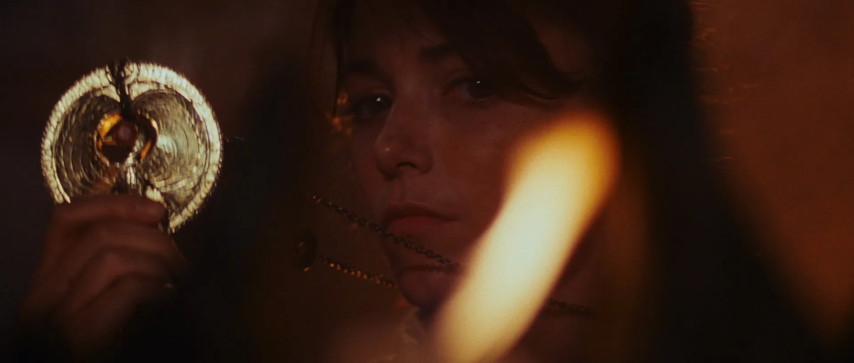
In Raiders Of The Lost Ark, the location of the Ark of the Covenant is written on a medallion. Indy and the Nazis need the medallion before they can move ahead with their plan to get the Ark.
In Fast Five, the team needs a gangster’s handprint to open a safe full of cash. The rest of the elaborate plot to steal the safe can’t proceed until Giselle gets the handprint on her bikini bottom.

MacGuffins
A MacGuffin is something that motivates the characters, but isn’t important to the audience or the story. Treasure is often a MacGuffin. It’s so valuable that everyone wants it, but the story isn’t about spending it, so it doesn’t matter if its gold bars, a bag of jewels, bearer bonds, or a priceless antique. When you spot a MacGuffin, keep track of where the MacGuffin is and who is trying to get it. Why they want it, or what they will do once they get it isn’t important.
MacGuffin examples
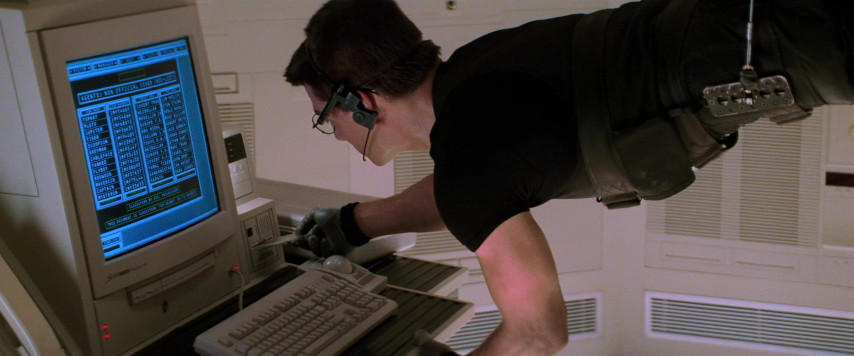
In Mission: Impossible, everyone is after the NOC list that can identify undercover agents in foreign countries, but none of those undercover agents are characters in the movie. The effect of someone getting the NOC list is outside the movie.
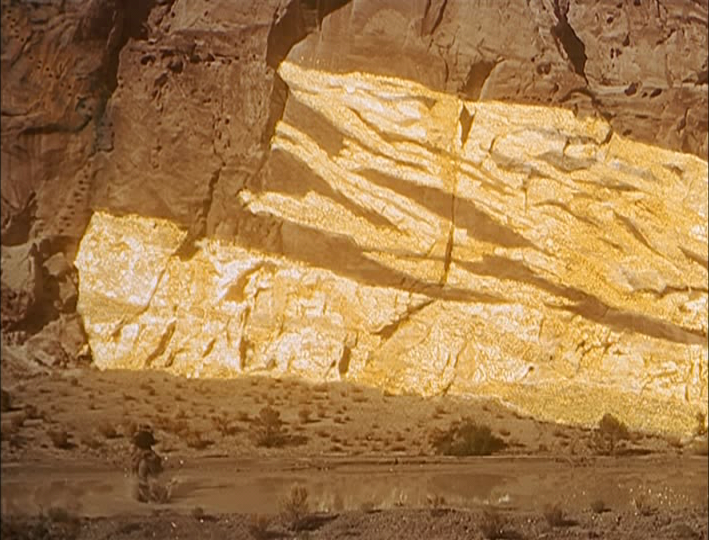
In MacKenna’s Gold, an unlikely band of misfits seeks cursed gold, but it could just as easily be gems, or a precious artifact. What’s important is what people will do to get it or protect it, not what they will do once they have it.
Summary
The beginning of the movie will tell you how the movie’s fictional world is different from the real one, introduce important characters, and raise a big question. Keep track of the open questions, and look for answers as you watch each scene. New characters, important objects, and events in the story can raise more questions. Expect a lot of questions to be answered in an exciting climax at the end of the movie. When the movie is over, the list of questions and answers will explain what happened in the movie.
Thanks to movie-screencaps.com for some of the images in this blog post.